The Miracle of Places That Change us
How certain places really do change us far more than we may first realise
After the fullness of the Summer Solstice, Sharon and I got together to create new Intuitive Vision Boards.
My previous vision board served me remarkably well. It boldly accompanied me through the unexpected twists and turns of a hip replacement and sustained me throughout the subsequent writing of Hearth – The Place We Return to and the Life We Make There, due for publication in the autumn 2026.
It was time for me to tune in again.
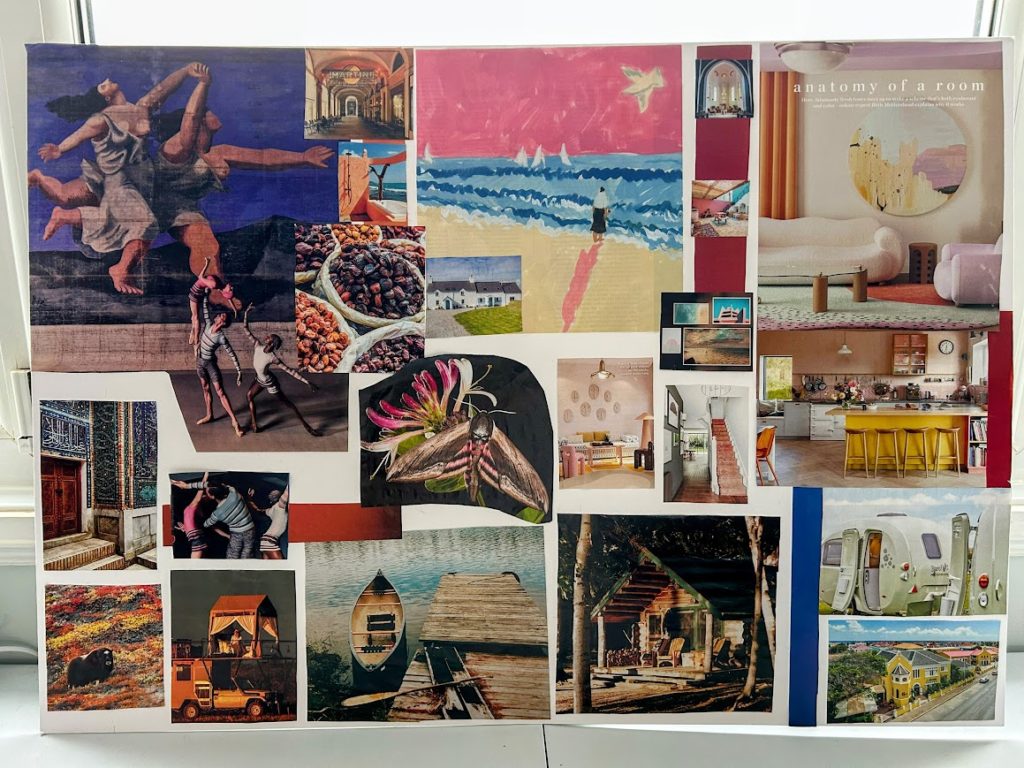
The invisible conversation with my inner world
Already this new vision board feels entirely different. Softer. Gentler. An ice-cream palette of blush pinks, vanilla creams and turquoise blues seems to be calling me somewhere I don’t yet comprehend while the way markers are there in front of me yet to be discovered.
Even after all these years – is this really my twentieth Intuitive Vision Board (IVB)? – my mind still chatters away while I’m collecting images for the new board.
“I don’t like those.”
“Why are you choosing them?”
“There are far too many.”
“Where on earth are they all going to fit?”
I suspect many seasoned Intuitive Vision Board aficionados know this voice only too well.
The trick is simply to ignore it.
Be gloriously greedy.
Keep collecting.
Trust your intuition completely.
Because, when that final piece of the jigsaw slips into place, that final image, something extraordinary happens.
You’ll fall in love with your vision board.
Not because your logical mind determined what it should look like – but because something much wiser has.
How place and creativity awaken forgotten parts of ourselves
To help us step out of dominant thinking mode, we began with an exercise I don’t often use – and one Sharon had never experienced with me before.
Waiting for us was a roll of paper, the length of our bodies.
There were no further instructions beyond one simple invitation: engage with it.
Dance with it. Wrap yourself in it. Shape it. Roll it. Tear it. Punch it. Whatever calls you. Whatever emotional expression wants to surface is welcome.
When the movement was complete, we placed our shape somewhere in the room for our creation to settle. (Mine found it’s way to the top of a tall reading lamp.) Then we gave it a name and wrote whatever arose spontaneously: a poem, a dedication, a few lines of journaling.
Why do this?
Because the body has the answers long before the mind catches up.
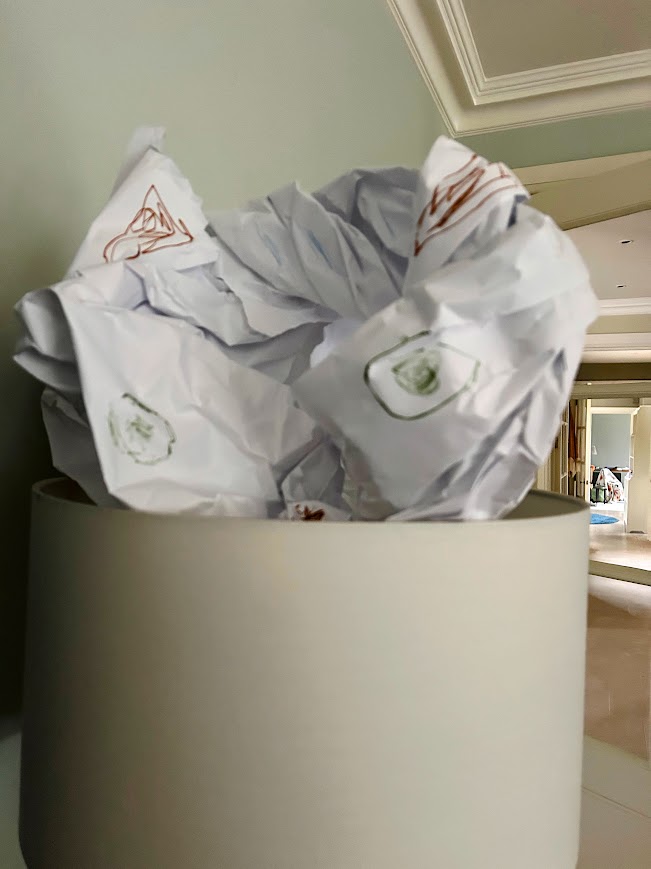
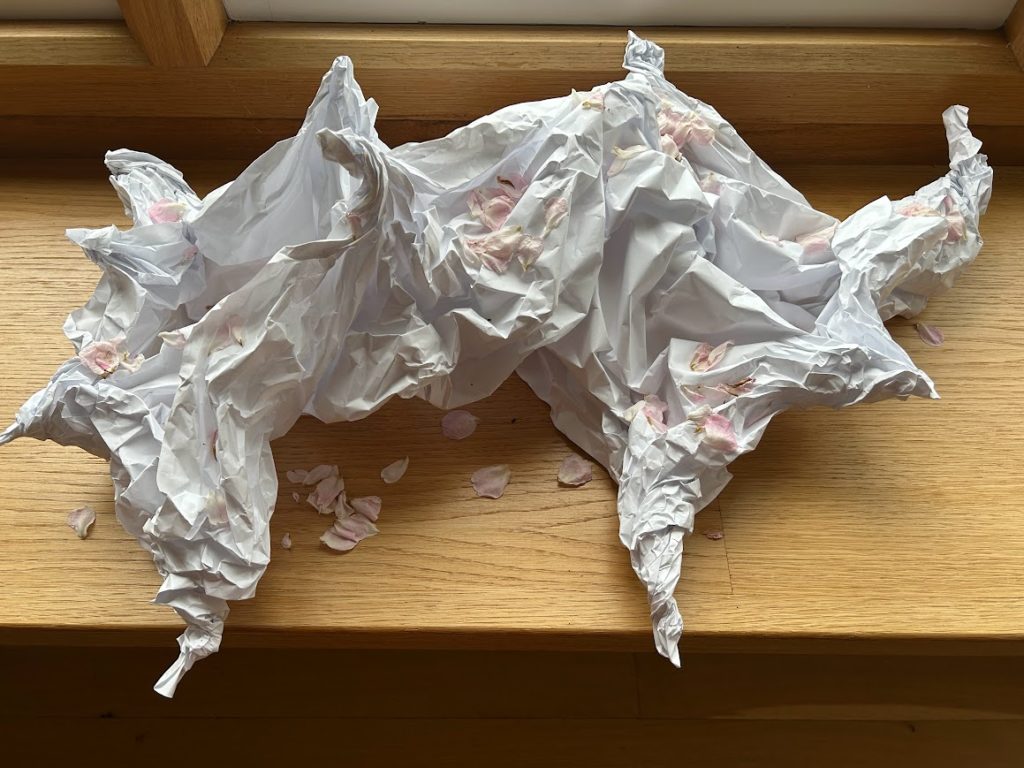
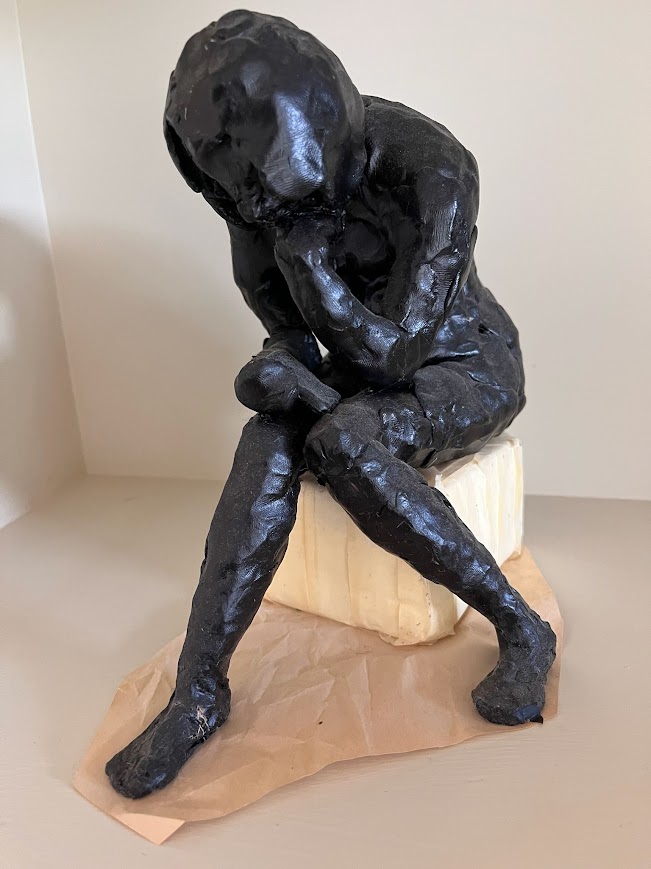
How creativity gives voice to your deeper knowing
This creative process compares with an exercise I use in my workshops when I invite people to discover spontaneously a creature that comes into their mind, along with a colour and the action accompanying it. This, I believe, reveals an energy that may be useful – or needed – for the next stage of your life journey. Much like a power animal is called upon in the shamanic tradition, it imaginatively describes the qualities of energy that would support you.
What emerged surprised even me.
My paper wasn’t simply an abstract shape.
It became Wild Cat.
Wild cat with sapphire-green eyes.
Mary Nondé
Flying cat trailing tail like feathered clouds,
Glides, weaves, swoops through the air.
Naughty cat with mischievous intent
Playful, wilful and wise.
Wraps around my legs, my arms,
Is tangled in my hair,
Licks my face, prods its wet nose,
Snaps its tail.
Wild cat gets everywhere.
What creativity knows before the mind does
Sharon’s paper exploration became a sculpture. Almost immediately it reminded her that, as a young woman, she’d been highly commended for a piece she’d fashioned; the thinker.
Very creative, her artistry has always found expression through her hands: aromatherapy massage, gardening, baking. This exercise reminded her that sculpting is still a very good option for her.
On occasion our intuition doesn’t reveal something new. Sometimes it reminds us of something important we’ve left behind.
I recently took a flight to Dublin to spend a few days with my dear friend Doreen. It had been a couple of years since we’d seen one another and, as always, there was much catching up to do.
I never tire of flying from Exeter Airport. This time the departure lounge was full, but the viewing terrace was open. Once the Rhodes flight had departed, only a handful of us remained – barely enough to fill the small aircraft to Dublin. No buses, no trains, no endless corridors. Just straight through the door out into the sunshine and a short walk across the tarmac to the waiting plane.
Coming home was equally blissful. I showed my boarding pass once at Dublin, stepped off the plane at Exeter, travelled with hand luggage only, no passport control either side. Within five minutes of leaving the aircraft Sam had pulled up outside the terminal to escort me home.
Now that’s travelling in style for you.
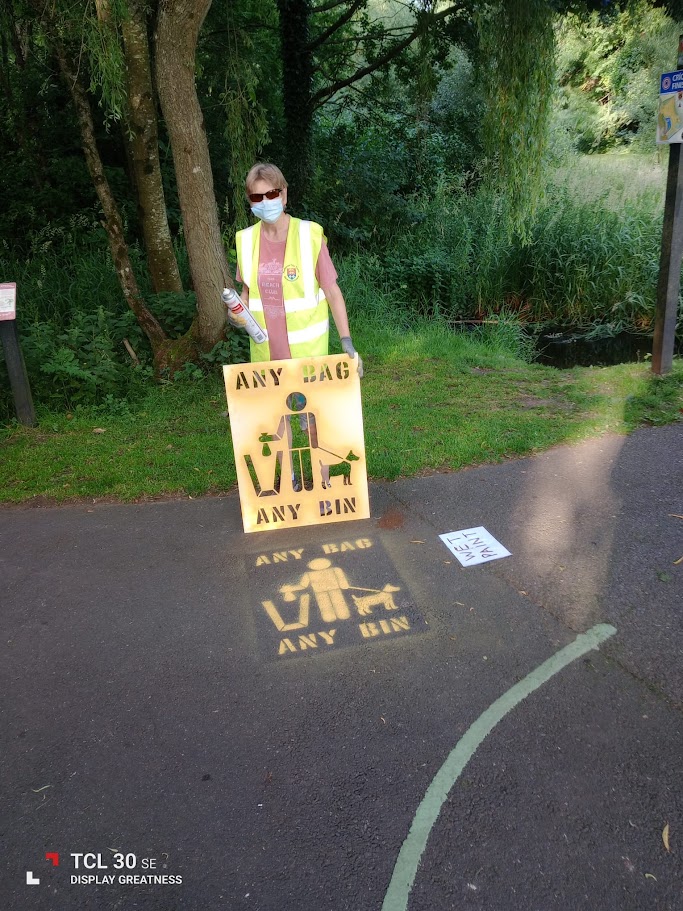
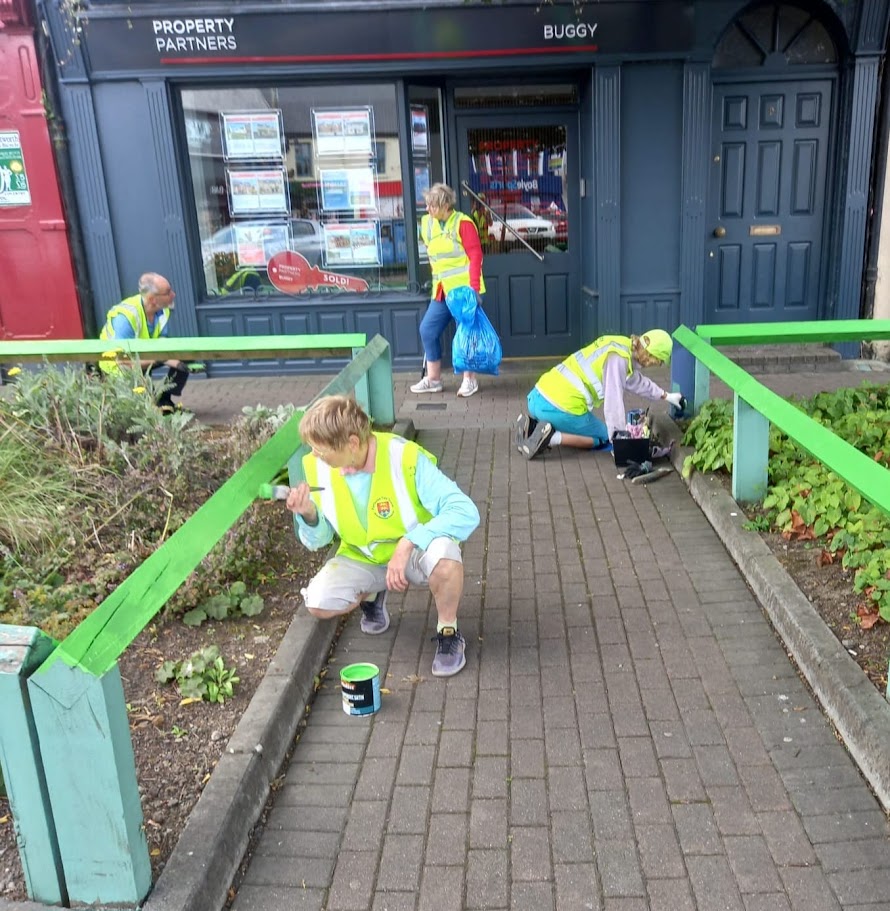
The community engages in Environmental Therapy
Doreen is heavily involved with the Tidy Towns organisation. Almost every town and village in Ireland has one, with volunteers working alongside local councils to turn their communities into places people genuinely want to belong to. Every year towns compete enthusiastically for the coveted Tidy Towns Award, a national competition that has been running since 1958.
Her town, Portlaoise, is among the best, while nearby Abbeyleix is one of Ireland’s most decorated Tidy Towns.
With this year’s competition approaching, I was invited, as an Environmental Therapist, to walk Portlaoise’s judging route and offer my observations on the fourteen stopping points.
What struck me wasn’t simply how tidy everything was. It was the sense that the whole community was enjoying its town. Everywhere there was evidence that people cared.
Pollinator planting.
Street art.
Beautiful walking routes.
Cycleways encouraging fewer cars.
Electric buses.
Parks reclaimed for children, neighbours and dogs alike.
Places where wildlife flourishes and people naturally gather.
My particular interest is always in the relationship between people and place – how communities engage with the environment beyond their own individual front doors. These Irish towns demonstrate beautifully in understanding that caring for the environment isn’t simply about appearance; it’s about identity, contribution and well-being.
I found myself wishing we had something comparable in Britain. Britain in Bloom perhaps comes closest, but it doesn’t quite embrace the broader environmental vision or that everyone can play their part. Here was a living example of Environmental Therapy on a community scale.
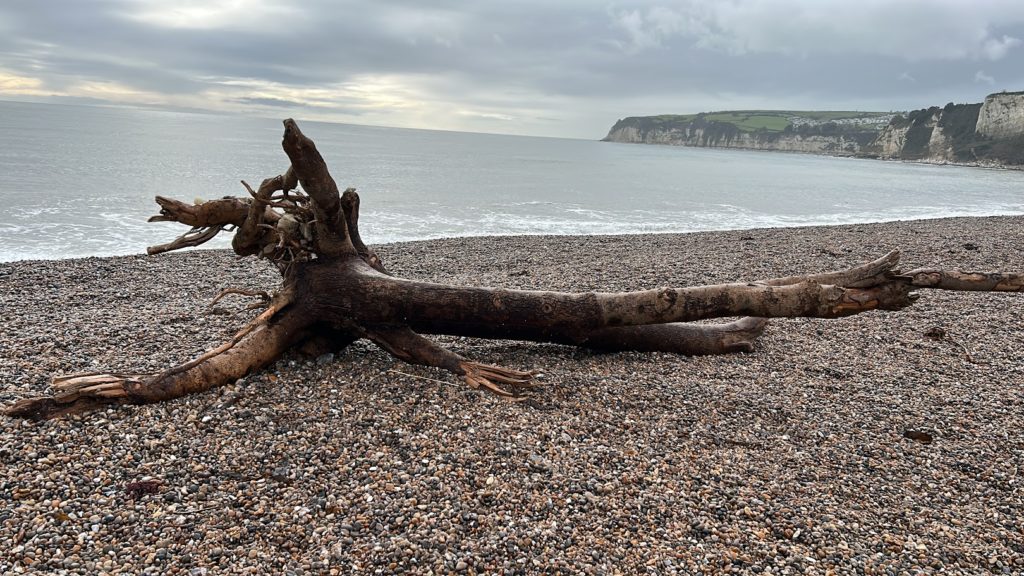
Sea Therapy
As always, the sea has accompanied the development of Hearth, forever beckoning me down to the shore. I manage one dip at least most days, afterwards lying on the warm rounded stones while the water rasps gently back and forth across them.
I can’t adequately describe what that sound does for an overfull mind.
One afternoon I arrived with a bundle of overwhelm – deadlines, decisions and a head full of book-related tasks. Two hours later I walked home as though someone had gently erased them all.
Looking back over these past weeks, I realise all these encounters with different places bear a similar stamp. Places really do shape us far more than we realise.
A vision board that asks me to trust what I cannot yet see.
A Wild Cat urging me to become more playful, wilful and free.
A paper sculpture reminding Sharon of an important part of herself she’d forgotten.
Communities that demonstrate what is possible when people truly care for the places they inhabit.
The sea, endlessly inviting us to lay down our burdens for a while – and breathe.
I hope during the hot weather, you find your own patch of water – or somewhere else in nature – that restores you in the same balmy way as the sea does for me.